Harvest Bloom Home

Category

Sustainable Farming

19 articles

Corn Mazes and Cash Flow: The Real Math Behind the Agritourism Boom

Corn Mazes and Cash Flow: The Real Math Behind the Agritourism Boom

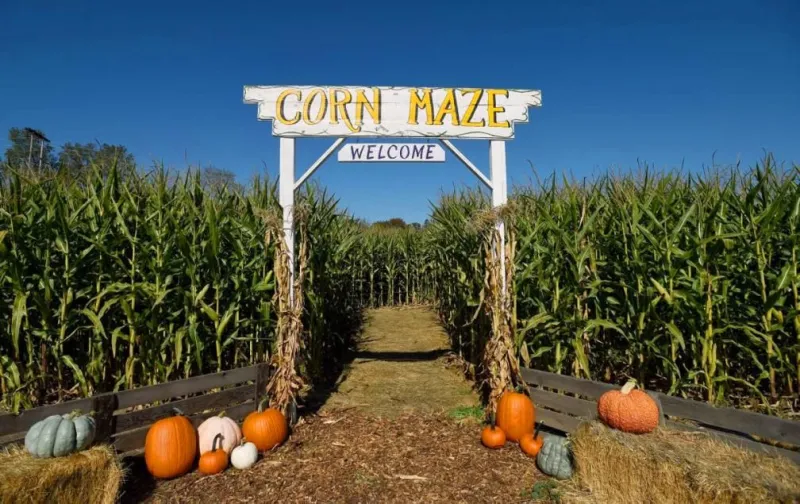
Corn mazes, u-pick strawberries, sunset dinners in the squash field — agritourism now keeps a lot of small American farms solvent. But not every hayride pays for itself, and the boom raises uncomfortable questions about who farms for visitors and who farms for food.
From Schoolyard to Salad Bar: The Districts Farming Their Own Lunch Lines

From Schoolyard to Salad Bar: The Districts Farming Their Own Lunch Lines

A handful of American school districts are skipping the middleman and growing—or contracting—food for their own cafeterias. We followed one through a full growing season, from seed catalogs to 2,000 servings of peeled butternut squash, to see if farm-to-school is a movement or a moment.

Follow the Dollar: What Farmers Actually Pocket When You Buy Direct

Follow the Dollar: What Farmers Actually Pocket When You Buy Direct

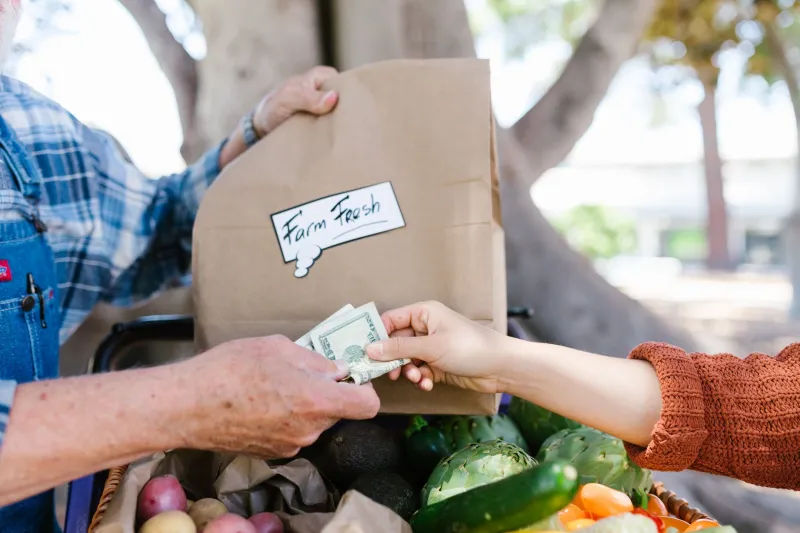
When you hand $4 to a farmer at a Saturday market for a bunch of kale, almost all of that money stays in their pocket. When you grab the same bunch at a chain grocery store, the farmer might see 50 cents — if they're lucky. We dug into the real numbers behind farm-gate pricing, talked to growers from Vermont to California, and found a food system that's quietly being rewritten one direct sale at a time.

Dirt First: The Winemakers Ditching Chemicals and Letting Their Vineyards Come Alive

Dirt First: The Winemakers Ditching Chemicals and Letting Their Vineyards Come Alive

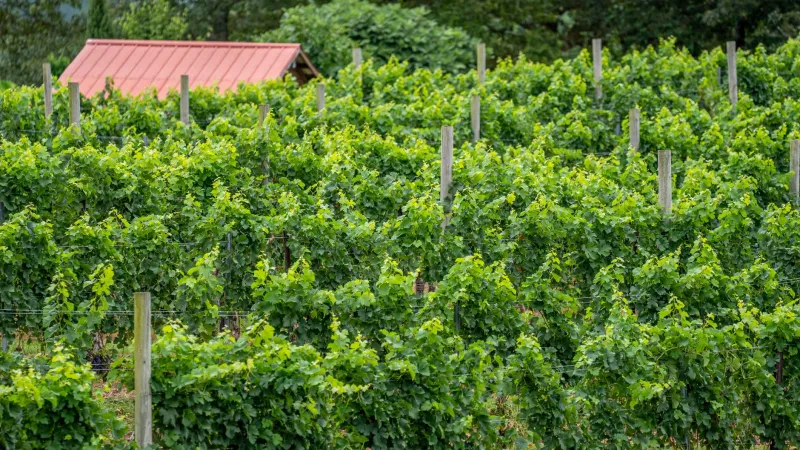
Across American wine country, a growing wave of vintners is tearing up the chemical playbook and betting everything on healthy soil. From Sonoma to the Shenandoah Valley, regenerative and biodynamic vineyards are producing some of the most exciting bottles in the country — and the secret ingredient is a thriving ecosystem right beneath the vines.

Ground Again: The Small-Town Mills Bringing Real Flour Back to American Tables

Ground Again: The Small-Town Mills Bringing Real Flour Back to American Tables

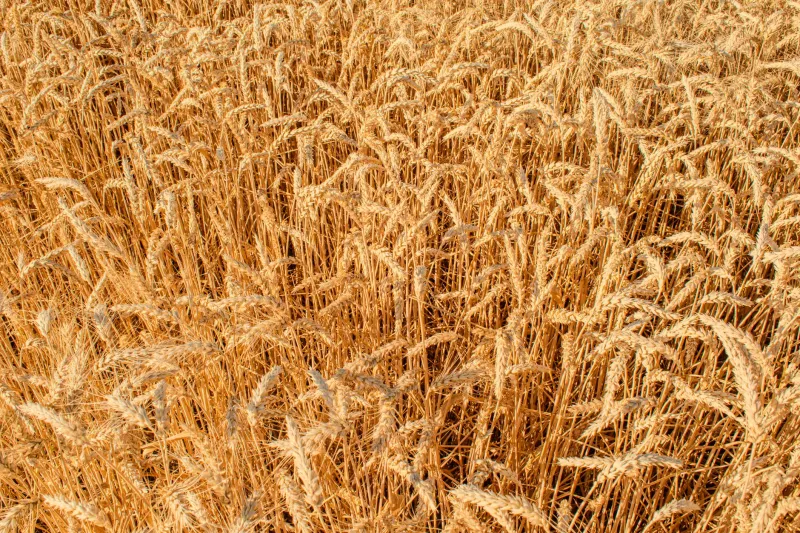
Across rural America, a quiet milling revival is underway. Farmers and millers are dusting off stone wheels and planting heritage grains to reclaim flavors and nutrients that industrial processing quietly erased decades ago. The result is flour with a sense of place — and a movement that's reshaping how we think about the most basic ingredient in our kitchens.

Moving Cattle, Mending Land: The Ranchers Who Are Quietly Rewriting How America Raises Meat

Moving Cattle, Mending Land: The Ranchers Who Are Quietly Rewriting How America Raises Meat

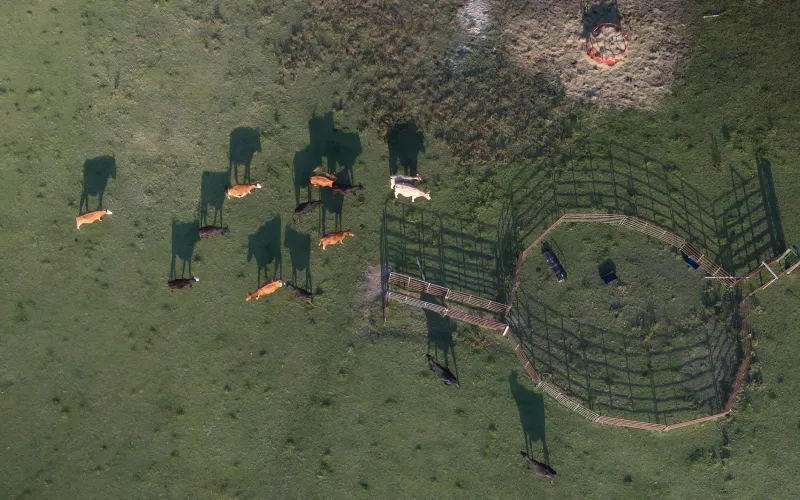
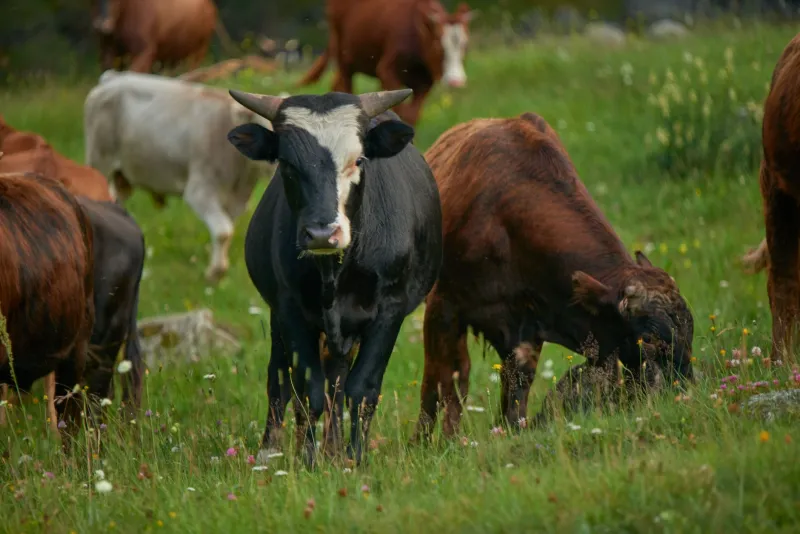
A new generation of livestock farmers is ditching the set-it-and-forget-it grazing model and replacing it with something that looks a lot more like choreography. By moving herds strategically across their land and letting pastures fully recover, these ranchers are rebuilding soil, boosting biodiversity, and producing meat and dairy that tastes like it came from a different planet than the grocery store stuff.

Cows That Heal the Earth: The Ranchers Using Livestock to Bring Dead Soil Back to Life

Cows That Heal the Earth: The Ranchers Using Livestock to Bring Dead Soil Back to Life

A growing movement of American ranchers is flipping the script on livestock farming — using carefully timed grazing rotations to rebuild topsoil, sequester carbon, and restore biodiversity to land that conventional agriculture left behind. The result? Healthier ecosystems, more resilient farms, and meat that's genuinely good for the planet.

One Field, Many Crops: The Farmers Trading Monoculture for Living Mosaics

One Field, Many Crops: The Farmers Trading Monoculture for Living Mosaics

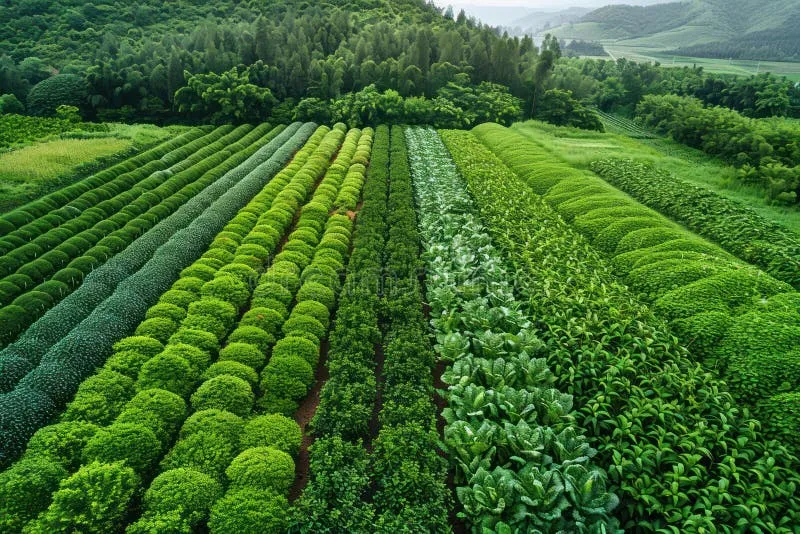
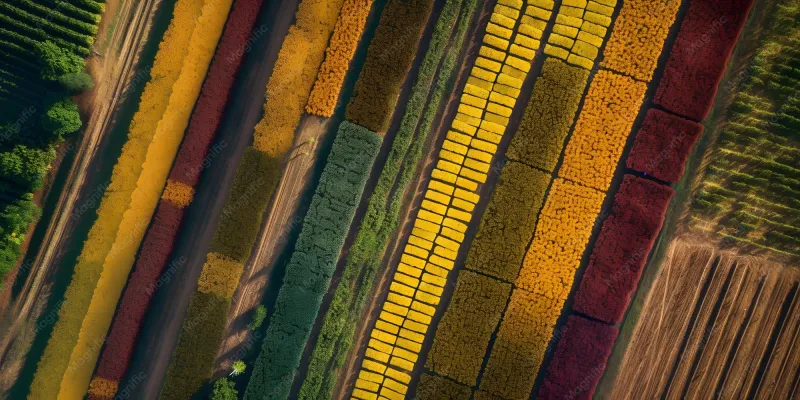
Across the US, a growing wave of farmers is tearing up the monoculture playbook and replacing single-crop fields with diverse, interwoven plantings that behave more like wild ecosystems than conventional agriculture. The results — richer soil, steadier income, and harvests bursting with variety — are turning heads far beyond the farming community. We visited several farms leading this polyculture charge to find out what the future of American fields actually looks like.

Last Tree Standing: The Fruit Hunters Saving America's Forgotten Orchard Varieties

Last Tree Standing: The Fruit Hunters Saving America's Forgotten Orchard Varieties

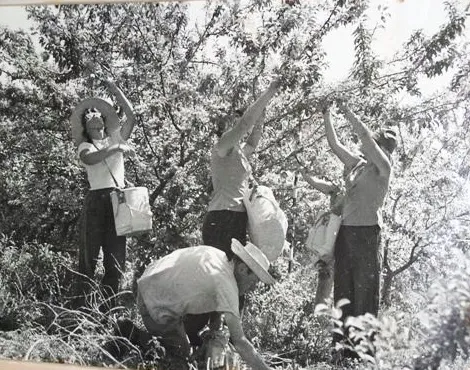
Somewhere on an overgrown hillside in rural Appalachia, a gnarled apple tree that nobody planted in living memory is still dropping fruit every October. A small but fiercely dedicated group of orchard detectives is racing to find trees like that one — and make sure they don't disappear before we even know what we've lost.

Neighborhood in a Jar: The Urban Beekeepers Turning City Blooms Into Liquid Gold

Neighborhood in a Jar: The Urban Beekeepers Turning City Blooms Into Liquid Gold

Across American rooftops and backyard gardens, a quiet revolution is underway — one hive at a time. Urban beekeepers are producing single-origin honey that reads like a love letter to their local landscape, and in doing so, they're becoming some of the most important seasonal stewards in their communities.

What's Living in Your Dirt? The Farmers Learning to Read Soil Like a Language

What's Living in Your Dirt? The Farmers Learning to Read Soil Like a Language

A new generation of American farmers is ditching the spreadsheet-and-synthetic-fertilizer playbook and getting down in the dirt — literally. By combining microbial science, traditional observation methods, and hard-won field intuition, these soil-focused growers are building farms that don't just survive season to season, but genuinely improve with age. We spent time with the farmers doing it and the researchers helping decode what they're finding.

The Vegetable Detectives: Inside the Race to Rescue America's Lost Heirloom Crops

The Vegetable Detectives: Inside the Race to Rescue America's Lost Heirloom Crops

Across the country, a loose network of farmers, seed librarians, and agricultural historians is doing something that looks a little like archaeology—digging through old catalogs, remote homesteads, and indigenous communities to pull rare vegetable varieties back from the edge of extinction. The stakes are higher than you might think: crop biodiversity isn't just about flavor, it's about the long-term resilience of the entire food system. We went looking for the people doing this work, and what w

Seed Keepers: The Quiet Revolution Happening in America's Barns and Basements

Seed Keepers: The Quiet Revolution Happening in America's Barns and Basements

Across the country, a growing network of farmers and backyard growers are doing something radical with their harvests — they're saving the seeds. What looks like a simple act of thrift is actually a powerful form of agricultural resistance, one that's keeping rare flavors, forgotten crops, and food sovereignty alive one envelope at a time.